Scrophularia marilandica (figwort)
1 Quart
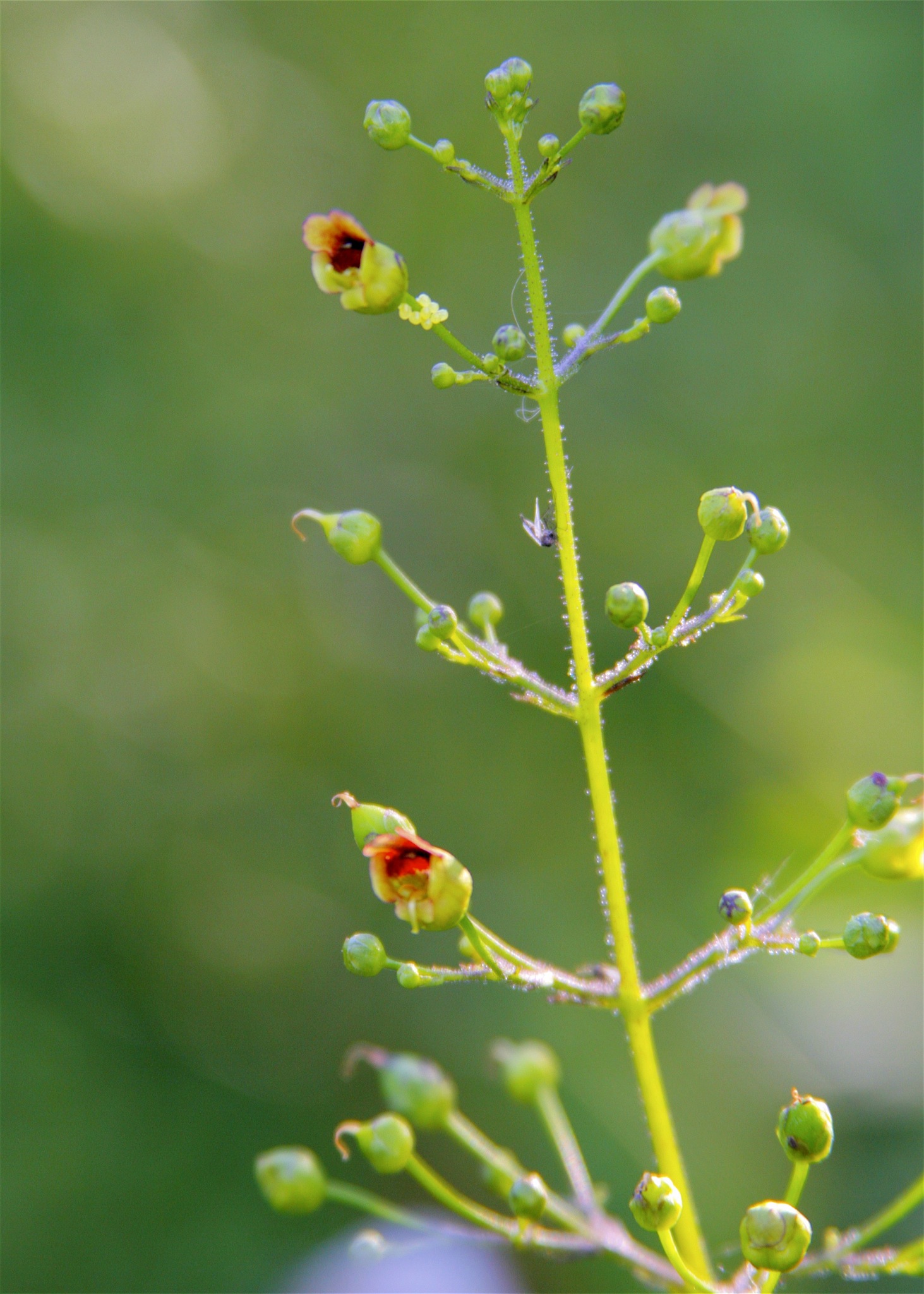
Figwort is a tall, upright, square-stemmed perennial that typicaly grows to 5–10' tall. The small brownish or greenish flowers are sac-shaped with magenta-brown interiors. They are borne in large branched panicles from late summer to fall. The plant's common name refers to the early use of the plants in treating hemorrhoids, an ailment once known as "figs." Figwort prefers partial shade but will also tolerate full sun. Performs best in fertile, moist sandy loam but is adaptable to other well-drained soils. A great addition to the native pollinator garden or along the margins of streams, ponds, and woodlands.
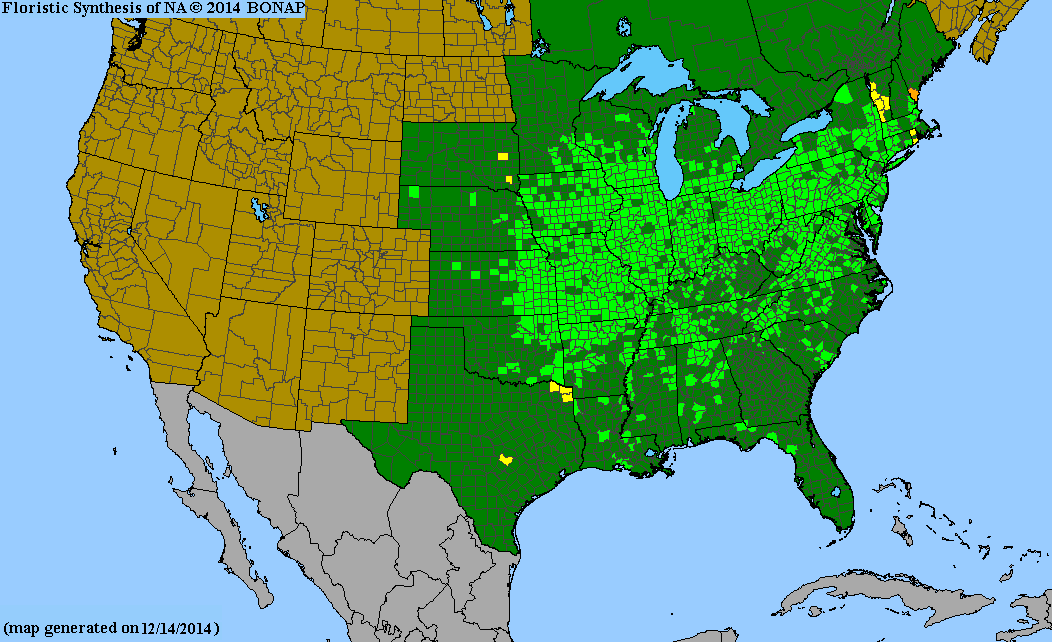
Figwort is native to eastern North America. Though they may look unremarkable, the unusual flowers produce an abundance of nectar that attracts bees, wasps, flies, butterflies, and hummingbirds. Its profuse foliage makes it a great host plant for insects, and its hollow, square stalks make excellent nesting cavities for overwintering insects. It is a host plant for many butterflies and moths including the Baltimore checkerspot, geranium plume moth, garden tortrix, verbena bud moth, and others. One of the most deer-resistant herbaceous perennials because it is toxic to mammals.
Photo credit: Dan Mullen Flickr
BONAP Native Range Map (bright green indicates county native, dark green indicates state native)
